
Flexible Pharmaceutical Packaging Market Outlook
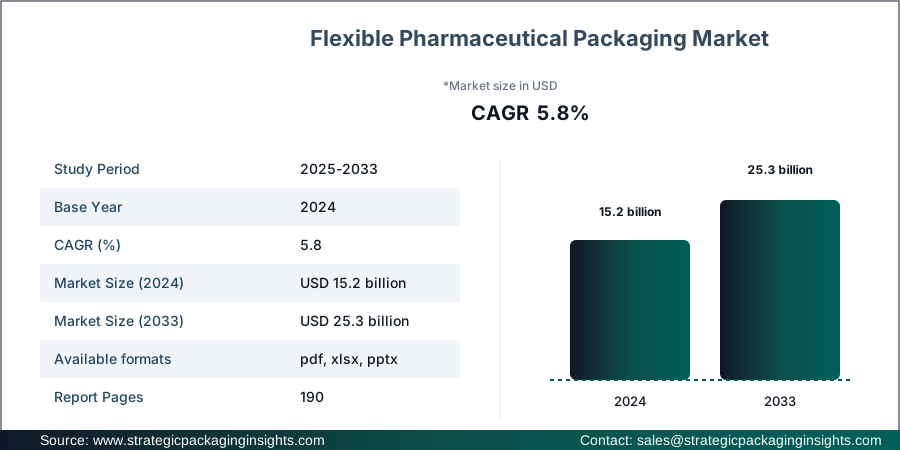
The flexible pharmaceutical packaging market was valued at $15.2 billion in 2024 and is projected to reach $25.3 billion by 2033, growing at a CAGR of 5.8% during the forecast period 2025-2033. This market is driven by the increasing demand for lightweight, cost-effective, and sustainable packaging solutions in the pharmaceutical industry. The rise in chronic diseases and the growing elderly population are boosting the demand for pharmaceuticals, thereby driving the need for flexible packaging solutions that offer better protection and longer shelf life. Additionally, advancements in material science and technology have led to the development of innovative packaging solutions that enhance drug safety and compliance.
However, the market faces challenges such as stringent regulatory requirements and the need for high initial investments in advanced packaging technologies. Despite these challenges, the market holds significant growth potential due to the increasing focus on sustainability and the adoption of eco-friendly packaging materials. The shift towards personalized medicine and the growing trend of home healthcare are also expected to create new opportunities for flexible pharmaceutical packaging solutions. Companies are investing in research and development to create packaging that not only meets regulatory standards but also enhances patient experience and adherence to medication regimens.
Report Scope
| Attributes | Details |
| Report Title | Flexible Pharmaceutical Packaging Market Size, Future Growth and Forecast 2033 |
| Material | Plastic, Paper |
| Product Type | Bags, Pouches |
| Application | Oral Drugs, Injectable |
| End-User | Pharmaceutical Companies, Contract Packaging |
| Base Year | 2024 |
| Historic Period | 2017-2023 |
| Forecast Period | 2025-2033 |
| Number of Pages | 190 |
| Customization Available | Yes* |
Opportunities & Threats
The flexible pharmaceutical packaging market presents numerous opportunities, particularly in the realm of sustainability and innovation. As environmental concerns continue to rise, there is a growing demand for eco-friendly packaging solutions that reduce carbon footprint and waste. This has led to the development of biodegradable and recyclable materials that are gaining traction in the market. Additionally, the increasing focus on patient-centric packaging solutions, such as easy-to-open and resealable packages, is driving innovation in the industry. Companies are leveraging advanced technologies like smart packaging, which incorporates features such as temperature monitoring and tamper evidence, to enhance drug safety and compliance.
Another significant opportunity lies in the expansion of the pharmaceutical industry in emerging markets. Countries in Asia Pacific, Latin America, and Africa are witnessing rapid growth in their pharmaceutical sectors, driven by increasing healthcare expenditure and improving access to healthcare services. This is creating a substantial demand for flexible packaging solutions that cater to the specific needs of these markets. Furthermore, the rise of e-commerce and online pharmacies is boosting the demand for packaging solutions that ensure the safe and secure delivery of pharmaceuticals to consumers.
Despite the promising opportunities, the flexible pharmaceutical packaging market faces several threats. One of the primary challenges is the stringent regulatory environment governing pharmaceutical packaging. Companies must adhere to various regulations and standards to ensure the safety and efficacy of their packaging solutions, which can be a complex and costly process. Additionally, the market is highly competitive, with numerous players vying for market share. This intense competition can lead to price wars and margin pressures, impacting the profitability of companies. Moreover, the volatility in raw material prices can pose a threat to the market, as it affects the overall cost of production and pricing strategies.
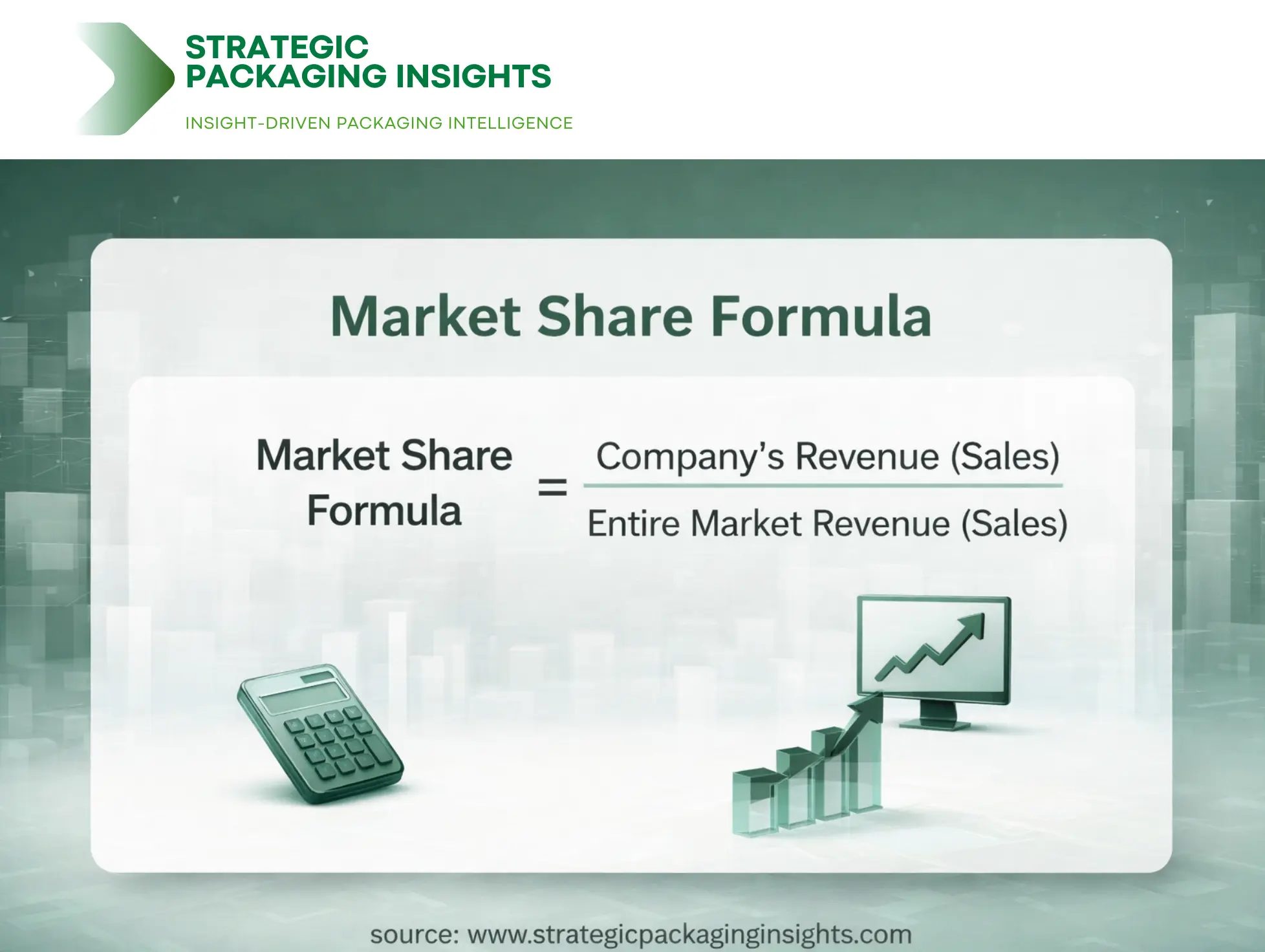
Market Share Analysis
The flexible pharmaceutical packaging market is characterized by a highly competitive landscape, with several key players dominating the market. These companies are focusing on strategic initiatives such as mergers and acquisitions, partnerships, and collaborations to strengthen their market position and expand their product portfolios. The market is also witnessing significant investments in research and development to create innovative packaging solutions that meet the evolving needs of the pharmaceutical industry. Additionally, companies are leveraging advanced technologies to enhance the functionality and sustainability of their packaging solutions.
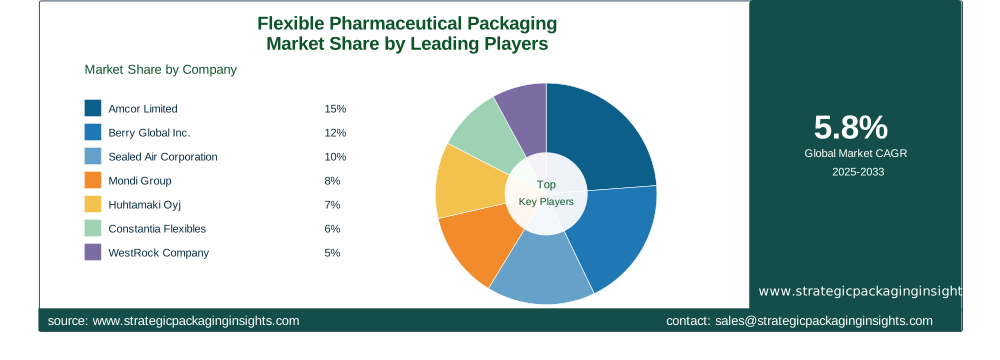
Among the leading companies in the market, Amcor Limited holds a significant market share, driven by its extensive product portfolio and strong global presence. The company is known for its innovative packaging solutions that cater to a wide range of pharmaceutical applications. Similarly, Berry Global Inc. is a prominent player in the market, offering a diverse range of flexible packaging solutions that are designed to enhance drug safety and compliance. The company's focus on sustainability and eco-friendly packaging materials has further strengthened its market position.
Another major player in the market is Sealed Air Corporation, which is renowned for its advanced packaging technologies and solutions. The company has a strong focus on research and development, enabling it to create innovative packaging solutions that meet the stringent regulatory requirements of the pharmaceutical industry. Additionally, Mondi Group is a key player in the market, offering a comprehensive range of flexible packaging solutions that are designed to enhance the shelf life and safety of pharmaceuticals. The company's commitment to sustainability and innovation has positioned it as a leader in the market.
Other notable companies in the market include Huhtamaki Oyj, Constantia Flexibles, and WestRock Company, each of which has a significant market share and a strong focus on innovation and sustainability. These companies are investing in advanced technologies and materials to create packaging solutions that not only meet regulatory standards but also enhance patient experience and adherence to medication regimens. The competitive landscape of the market is further intensified by the presence of several regional players who are focusing on expanding their market presence through strategic initiatives and product innovations.
Key Highlights
- The flexible pharmaceutical packaging market is projected to grow at a CAGR of 5.8% from 2025 to 2033.
- Increasing demand for eco-friendly and sustainable packaging solutions is driving market growth.
- Advancements in material science and technology are leading to innovative packaging solutions.
- Emerging markets in Asia Pacific and Latin America offer significant growth opportunities.
- Stringent regulatory requirements pose a challenge to market growth.
- Smart packaging solutions with features like temperature monitoring are gaining traction.
- The rise of e-commerce and online pharmacies is boosting demand for secure packaging solutions.
Top Countries Insights
In the flexible pharmaceutical packaging market, the United States holds a significant share, with a market size of $4.5 billion and a CAGR of 6%. The country's advanced healthcare infrastructure and high demand for innovative packaging solutions are key growth drivers. Additionally, stringent regulatory standards ensure the safety and efficacy of packaging solutions, further boosting market growth. However, the market faces challenges such as high competition and regulatory compliance costs.
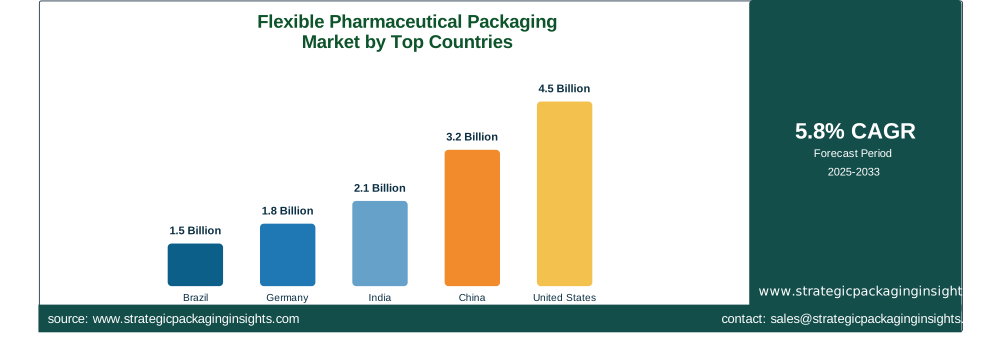
China is another major player in the market, with a market size of $3.2 billion and a CAGR of 8%. The country's rapidly growing pharmaceutical industry and increasing healthcare expenditure are driving demand for flexible packaging solutions. Additionally, government initiatives to improve healthcare access and infrastructure are further propelling market growth. However, the market faces challenges such as regulatory hurdles and the need for high-quality packaging solutions.
India is witnessing significant growth in the flexible pharmaceutical packaging market, with a market size of $2.1 billion and a CAGR of 9%. The country's expanding pharmaceutical sector and increasing focus on healthcare are key growth drivers. Additionally, the rise of e-commerce and online pharmacies is boosting demand for secure packaging solutions. However, the market faces challenges such as regulatory compliance and the need for cost-effective packaging solutions.
Germany is a key market in Europe, with a market size of $1.8 billion and a CAGR of 5%. The country's advanced pharmaceutical industry and high demand for innovative packaging solutions are driving market growth. Additionally, stringent regulatory standards ensure the safety and efficacy of packaging solutions, further boosting market growth. However, the market faces challenges such as high competition and regulatory compliance costs.
Brazil is a significant market in Latin America, with a market size of $1.5 billion and a CAGR of 7%. The country's growing pharmaceutical industry and increasing healthcare expenditure are driving demand for flexible packaging solutions. Additionally, government initiatives to improve healthcare access and infrastructure are further propelling market growth. However, the market faces challenges such as regulatory hurdles and the need for high-quality packaging solutions.
Evolving Market Dynamics (2018-2024) and Strategic Foresight (2025-2033)
| Metrics | 2018-2024 | 2025-2033 |
|---|---|---|
| CAGR | 4.5% | 5.8% |
| Market Size Evolution | $12 billion to $15.2 billion | $15.2 billion to $25.3 billion |
| Segment Distribution Shifts | Plastic Dominance | Rise of Eco-Friendly Materials |
| Regional Contribution Changes | North America Leading | Asia Pacific Growth Surge |
| Technological Impact Factors | Basic Packaging | Smart Packaging Innovations |
| Client Demand Transformations | Standard Solutions | Customized and Patient-Centric Solutions |
Flexible Pharmaceutical Packaging Market Segments Insights

Material Analysis
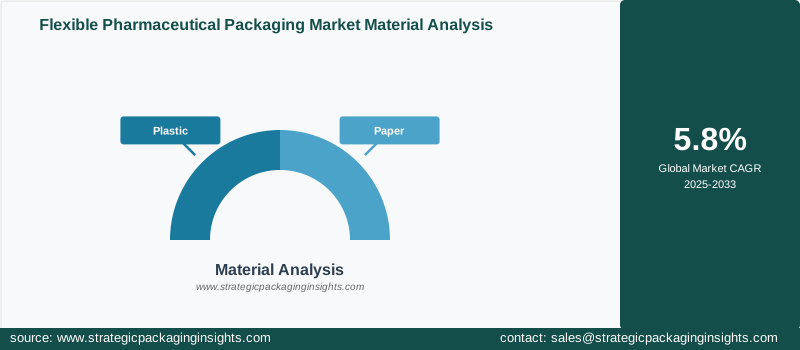
The material segment of the flexible pharmaceutical packaging market is dominated by plastic, which is widely used due to its versatility, durability, and cost-effectiveness. Plastic materials such as polyethylene, polypropylene, and polyvinyl chloride are commonly used in the production of flexible packaging solutions. These materials offer excellent barrier properties, protecting pharmaceuticals from moisture, oxygen, and other environmental factors. However, the increasing focus on sustainability and environmental concerns is driving the demand for eco-friendly materials such as biodegradable plastics and paper-based solutions. Companies are investing in research and development to create innovative materials that offer the same level of protection while reducing environmental impact.
Aluminum foil is another key material used in flexible pharmaceutical packaging, known for its excellent barrier properties and ability to protect sensitive pharmaceuticals from light, moisture, and oxygen. Aluminum foil is often used in combination with other materials to create multi-layered packaging solutions that enhance drug safety and shelf life. The demand for aluminum foil is driven by the need for high-quality packaging solutions that meet stringent regulatory standards. However, the high cost of aluminum and the environmental impact of its production pose challenges to its widespread adoption. Companies are exploring alternative materials and technologies to create cost-effective and sustainable packaging solutions.
Product Type Analysis
The product type segment of the flexible pharmaceutical packaging market includes bags, pouches, sachets, and wraps, each offering unique benefits and applications. Pouches are the most widely used product type, known for their versatility, convenience, and ability to protect pharmaceuticals from environmental factors. Pouches are available in various sizes and configurations, making them suitable for a wide range of pharmaceutical applications. The demand for pouches is driven by the increasing focus on patient-centric packaging solutions that enhance drug safety and compliance.
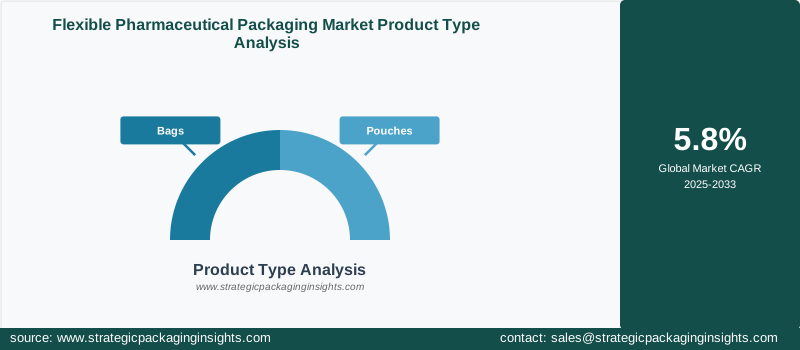
Bags and sachets are also popular product types in the flexible pharmaceutical packaging market, offering cost-effective and convenient packaging solutions for a variety of pharmaceuticals. Bags are commonly used for bulk packaging of pharmaceuticals, while sachets are used for single-dose packaging, providing convenience and ease of use for patients. The demand for bags and sachets is driven by the growing trend of home healthcare and the need for packaging solutions that enhance patient experience and adherence to medication regimens. Companies are investing in advanced technologies to create innovative product types that meet the evolving needs of the pharmaceutical industry.
Application Analysis
The application segment of the flexible pharmaceutical packaging market includes oral drugs, injectables, transdermal, and topical applications, each requiring specific packaging solutions to ensure drug safety and efficacy. Oral drugs are the largest application segment, driven by the high demand for convenient and easy-to-use packaging solutions that enhance patient compliance. Flexible packaging solutions for oral drugs include pouches, sachets, and blister packs, each offering unique benefits and applications.
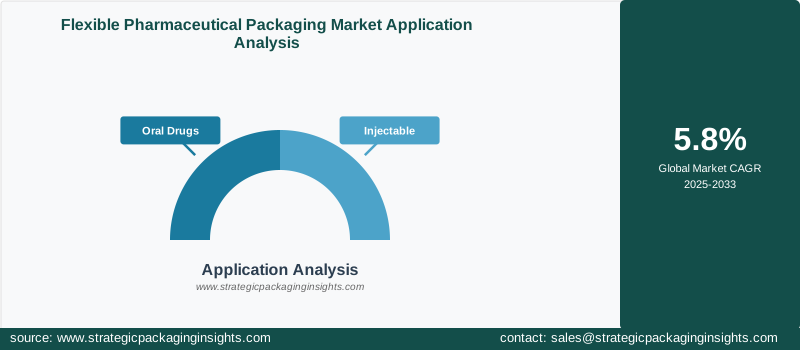
Injectables are another key application segment, requiring packaging solutions that ensure the sterility and safety of the drug. Flexible packaging solutions for injectables include vials, ampoules, and pre-filled syringes, each designed to protect the drug from contamination and ensure accurate dosing. The demand for flexible packaging solutions for injectables is driven by the increasing prevalence of chronic diseases and the growing trend of self-administration of medications. Companies are investing in advanced technologies to create innovative packaging solutions that meet the stringent regulatory requirements of the pharmaceutical industry.
End-User Analysis
The end-user segment of the flexible pharmaceutical packaging market includes pharmaceutical companies, contract packaging organizations, retail pharmacies, and institutional pharmacies, each requiring specific packaging solutions to meet their unique needs. Pharmaceutical companies are the largest end-user segment, driven by the high demand for innovative and cost-effective packaging solutions that enhance drug safety and compliance. These companies are investing in advanced technologies and materials to create packaging solutions that meet the stringent regulatory requirements of the pharmaceutical industry.
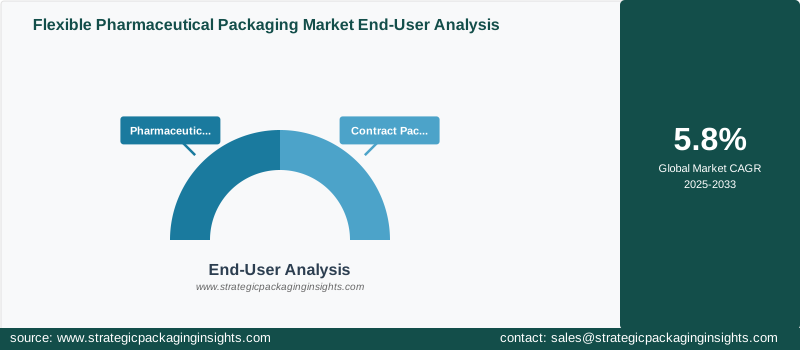
Contract packaging organizations are another key end-user segment, providing packaging services to pharmaceutical companies and other clients. These organizations require flexible packaging solutions that offer versatility, convenience, and cost-effectiveness. The demand for contract packaging services is driven by the increasing outsourcing of packaging operations by pharmaceutical companies, allowing them to focus on their core competencies. Retail and institutional pharmacies are also significant end-users, requiring packaging solutions that enhance patient experience and adherence to medication regimens. Companies are investing in advanced technologies to create innovative packaging solutions that meet the evolving needs of these end-users.
Flexible Pharmaceutical Packaging Market Segments
The Flexible Pharmaceutical Packaging market has been segmented on the basis ofMaterial
- Plastic
- Paper
Product Type
- Bags
- Pouches
Application
- Oral Drugs
- Injectable
End-User
- Pharmaceutical Companies
- Contract Packaging