Medical Device Packaging Market Size, Future Growth and Forecast 2033
Medical Device Packaging Market Segments - by Material (Plastic, Paper & Paperboard, Glass, Metal), Product (Bags & Pouches, Trays, Boxes, Clamshells), Application (Sterile Packaging, Non-Sterile Packaging), End-User (Hospitals, Clinics, Diagnostic Centers, Research Laboratories), and Region (Asia Pacific, North America, Latin America, Europe, and Middle East & Africa) - Market Dynamics, Growth Opportunities, Strategic Drivers, and PESTLE Outlook (2025-2033)

Medical Device Packaging Market Outlook
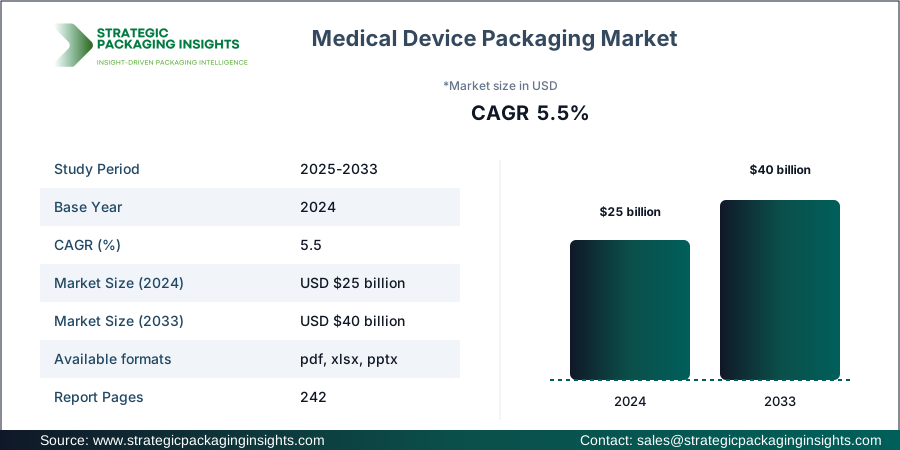
The medical device packaging market was valued at $25 billion in 2024 and is projected to reach $40 billion by 2033, growing at a CAGR of 5.5% during the forecast period 2025-2033. This growth is driven by the increasing demand for advanced healthcare services, the rising prevalence of chronic diseases, and the expansion of the medical device industry. The need for safe and effective packaging solutions that ensure the sterility and integrity of medical devices is paramount, further propelling market growth. Additionally, technological advancements in packaging materials and the growing emphasis on sustainable packaging solutions are expected to create lucrative opportunities for market players.
Report Scope
| Attributes | Details |
| Report Title | Medical Device Packaging Market Size, Future Growth and Forecast 2033 |
| Material | Plastic, Paper & Paperboard, Glass, Metal |
| Product | Bags & Pouches, Trays, Boxes, Clamshells |
| Application | Sterile Packaging, Non-Sterile Packaging |
| End-User | Hospitals, Clinics, Diagnostic Centers, Research Laboratories |
| Base Year | 2024 |
| Historic Period | 2017-2023 |
| Forecast Period | 2025-2033 |
| Number of Pages | 242 |
| Customization Available | Yes* |
Opportunities & Threats
The medical device packaging market presents significant opportunities, particularly with the increasing adoption of sustainable and eco-friendly packaging solutions. As environmental concerns continue to rise, manufacturers are focusing on developing biodegradable and recyclable packaging materials. This shift towards sustainability not only aligns with global environmental goals but also meets the growing consumer demand for eco-conscious products. Furthermore, the integration of smart packaging technologies, such as RFID tags and QR codes, offers enhanced traceability and security, providing an additional layer of protection for medical devices. These innovations are expected to drive market growth and open new avenues for industry players.
Another opportunity lies in the expanding healthcare infrastructure in emerging economies. Countries in Asia Pacific, Latin America, and Africa are witnessing significant investments in healthcare facilities, leading to an increased demand for medical devices and, consequently, their packaging. The rising middle-class population and improving healthcare access in these regions are further contributing to market expansion. Companies that can effectively tap into these markets by offering cost-effective and high-quality packaging solutions are likely to gain a competitive edge.
However, the market faces certain threats, primarily in the form of stringent regulatory requirements. The medical device packaging industry is subject to rigorous standards and regulations to ensure the safety and efficacy of packaged products. Compliance with these regulations can be challenging and costly for manufacturers, particularly for small and medium-sized enterprises. Additionally, the fluctuating prices of raw materials, such as plastics and metals, can impact production costs and profit margins, posing a threat to market growth.
Drivers & Challenges
One of the primary drivers of the medical device packaging market is the increasing demand for advanced medical devices. As the global population ages and the prevalence of chronic diseases rises, there is a growing need for innovative medical devices that require specialized packaging solutions. This demand is further fueled by technological advancements in the medical device industry, leading to the development of complex and sensitive devices that necessitate robust packaging to ensure their safety and functionality.
Another significant driver is the growing emphasis on patient safety and infection control. Medical device packaging plays a crucial role in maintaining the sterility and integrity of devices, preventing contamination and ensuring patient safety. The rising awareness of healthcare-associated infections and the need for stringent infection control measures are driving the demand for high-quality packaging solutions. Additionally, the increasing adoption of single-use medical devices, which require disposable packaging, is contributing to market growth.
Despite these drivers, the market faces challenges, particularly in terms of cost pressures. The high cost of advanced packaging materials and technologies can be a barrier for manufacturers, especially in price-sensitive markets. Additionally, the need for continuous innovation and compliance with evolving regulatory standards can strain resources and impact profitability. Companies must navigate these challenges by optimizing their supply chains, investing in research and development, and adopting cost-effective manufacturing processes.
Market Share Analysis
The medical device packaging market is characterized by a competitive landscape with several key players vying for market share. The market is dominated by a mix of established companies and emerging players, each striving to innovate and expand their product offerings. The competitive dynamics are influenced by factors such as product quality, pricing strategies, technological advancements, and customer service. Companies that can effectively differentiate themselves through innovation and customer-centric approaches are likely to gain a competitive advantage.
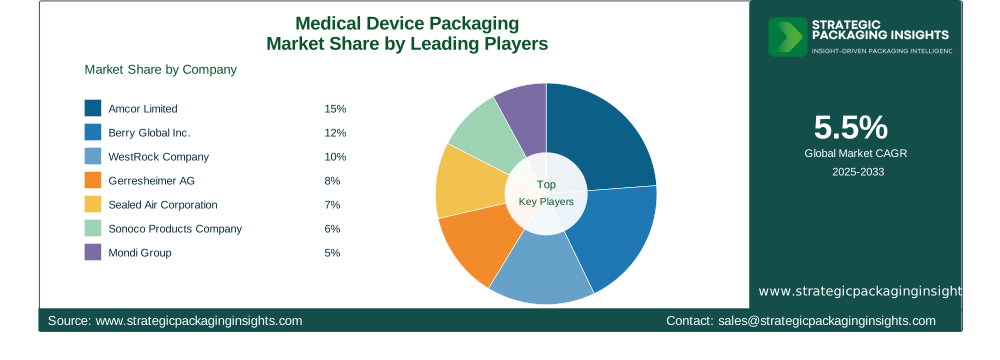
Among the major players in the market, Amcor Limited holds a significant share, known for its extensive range of packaging solutions and commitment to sustainability. The company has a strong global presence and a robust portfolio of products catering to various segments of the medical device packaging market. Similarly, Berry Global Inc. is a prominent player, offering innovative packaging solutions with a focus on sustainability and customer satisfaction. The company's strategic acquisitions and partnerships have strengthened its market position.
Another key player, WestRock Company, is recognized for its comprehensive packaging solutions and emphasis on innovation. The company has invested heavily in research and development to enhance its product offerings and meet the evolving needs of the healthcare industry. Additionally, Gerresheimer AG is a notable player, specializing in glass and plastic packaging solutions for medical devices. The company's strong focus on quality and customer service has earned it a reputable position in the market.
Other significant players include Sealed Air Corporation, known for its protective packaging solutions, and Sonoco Products Company, which offers a diverse range of packaging products. These companies, along with others such as Mondi Group, DS Smith Plc, and Huhtamaki Oyj, contribute to the competitive landscape of the medical device packaging market. Their strategic initiatives, such as mergers and acquisitions, product launches, and collaborations, play a crucial role in shaping the market dynamics.
Key Highlights
- The medical device packaging market is projected to grow at a CAGR of 5.5% from 2025 to 2033.
- Increasing demand for advanced medical devices is driving market growth.
- Sustainable and eco-friendly packaging solutions are gaining traction.
- Emerging economies present significant growth opportunities.
- Stringent regulatory requirements pose challenges for manufacturers.
- Technological advancements in packaging materials are enhancing product offerings.
- Key players are focusing on innovation and strategic partnerships to gain a competitive edge.
Top Countries Insights
In the medical device packaging market, the United States holds a prominent position, with a market size of $8 billion and a CAGR of 4%. The country's advanced healthcare infrastructure, coupled with a high demand for innovative medical devices, drives market growth. Additionally, stringent regulatory standards ensure the safety and efficacy of packaging solutions, further supporting market expansion.
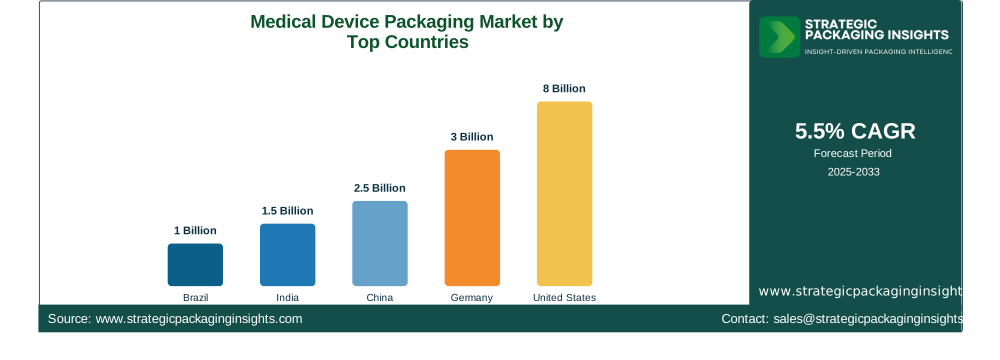
Germany is another key player in the market, with a market size of $3 billion and a CAGR of 5%. The country's strong focus on research and development, along with its robust manufacturing capabilities, contributes to its leadership in the medical device packaging industry. The presence of major market players and a well-established healthcare system further bolster market growth.
China is experiencing rapid growth in the medical device packaging market, with a market size of $2.5 billion and a CAGR of 7%. The country's expanding healthcare infrastructure, rising middle-class population, and increasing healthcare expenditure are driving demand for medical devices and their packaging. Government initiatives to improve healthcare access and quality further support market expansion.
India is also witnessing significant growth, with a market size of $1.5 billion and a CAGR of 8%. The country's growing population, increasing prevalence of chronic diseases, and improving healthcare infrastructure are key drivers of market growth. Additionally, the government's focus on healthcare reforms and investments in the medical device industry are creating opportunities for market players.
Brazil, with a market size of $1 billion and a CAGR of 6%, is another important market for medical device packaging. The country's expanding healthcare sector, coupled with rising demand for advanced medical devices, is driving market growth. Government initiatives to enhance healthcare access and quality are further contributing to market expansion.
Medical Device Packaging Market Segments Insights

Material Analysis
The material segment of the medical device packaging market is dominated by plastics, owing to their versatility, durability, and cost-effectiveness. Plastics are widely used in the packaging of medical devices due to their ability to provide a sterile barrier and protect against contamination. The demand for plastic packaging is further driven by advancements in polymer technology, which have led to the development of high-performance materials with enhanced properties. However, the growing environmental concerns associated with plastic waste are prompting manufacturers to explore sustainable alternatives, such as biodegradable and recyclable materials.
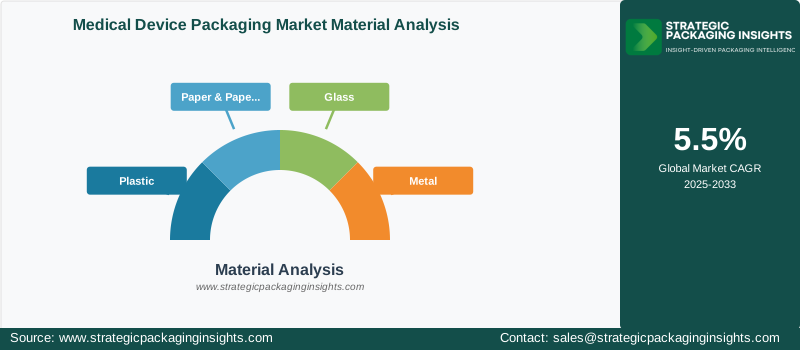
Paper and paperboard are also gaining traction in the medical device packaging market, driven by the increasing demand for eco-friendly packaging solutions. These materials offer several advantages, including recyclability, biodegradability, and cost-effectiveness. The shift towards sustainable packaging is supported by regulatory initiatives and consumer preferences for environmentally friendly products. Additionally, advancements in paper-based packaging technologies are enhancing the performance and functionality of these materials, making them a viable alternative to traditional plastic packaging.
Product Analysis
The product segment of the medical device packaging market includes bags and pouches, trays, boxes, and clamshells. Bags and pouches are the most widely used packaging products, owing to their flexibility, ease of use, and ability to provide a sterile barrier. These products are commonly used for packaging single-use medical devices and consumables. The demand for bags and pouches is driven by the increasing adoption of disposable medical devices and the need for cost-effective packaging solutions.
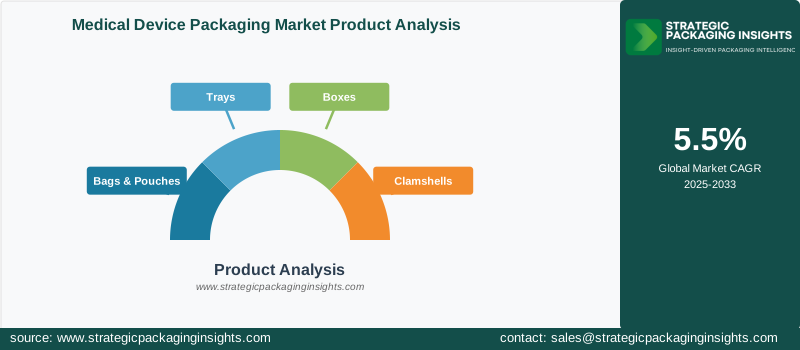
Trays and boxes are also important product segments, offering robust protection and organization for medical devices. These products are commonly used for packaging surgical instruments, diagnostic equipment, and other high-value medical devices. The demand for trays and boxes is driven by the need for secure and reliable packaging solutions that ensure the safety and integrity of medical devices during transportation and storage. Additionally, the growing emphasis on infection control and patient safety is driving the demand for sterile packaging solutions, further supporting the growth of these product segments.
Application Analysis
The application segment of the medical device packaging market is divided into sterile and non-sterile packaging. Sterile packaging is the largest segment, driven by the increasing demand for infection control and patient safety. Sterile packaging solutions are essential for maintaining the sterility and integrity of medical devices, preventing contamination, and ensuring patient safety. The demand for sterile packaging is further supported by the rising prevalence of healthcare-associated infections and the need for stringent infection control measures.
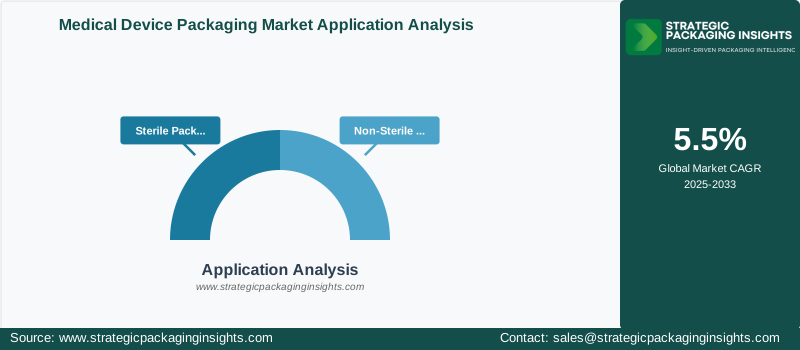
Non-sterile packaging is also an important segment, catering to the packaging needs of non-critical medical devices and consumables. The demand for non-sterile packaging is driven by the increasing adoption of single-use medical devices and the need for cost-effective packaging solutions. Additionally, the growing emphasis on sustainability and the shift towards eco-friendly packaging materials are driving the demand for non-sterile packaging solutions that are recyclable and biodegradable.
End-User Analysis
The end-user segment of the medical device packaging market includes hospitals, clinics, diagnostic centers, and research laboratories. Hospitals are the largest end-users, accounting for a significant share of the market. The demand for medical device packaging in hospitals is driven by the increasing number of surgical procedures, the rising prevalence of chronic diseases, and the growing emphasis on infection control and patient safety. Additionally, the expanding healthcare infrastructure and the increasing adoption of advanced medical devices are contributing to market growth.
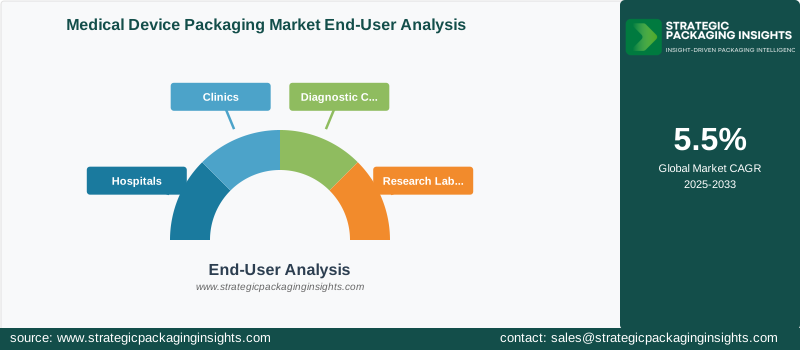
Clinics and diagnostic centers are also important end-users, driven by the increasing demand for diagnostic and therapeutic procedures. The demand for medical device packaging in these settings is supported by the growing prevalence of chronic diseases and the need for timely and accurate diagnosis and treatment. Research laboratories are another key end-user segment, driven by the increasing focus on research and development in the medical device industry. The demand for medical device packaging in research laboratories is supported by the need for secure and reliable packaging solutions that ensure the safety and integrity of research samples and equipment.
Medical Device Packaging Market Segments
The Medical Device Packaging market has been segmented on the basis ofMaterial
- Plastic
- Paper & Paperboard
- Glass
- Metal
Product
- Bags & Pouches
- Trays
- Boxes
- Clamshells
Application
- Sterile Packaging
- Non-Sterile Packaging
End-User
- Hospitals
- Clinics
- Diagnostic Centers
- Research Laboratories