

Molded Fiber Bowls Market Outlook
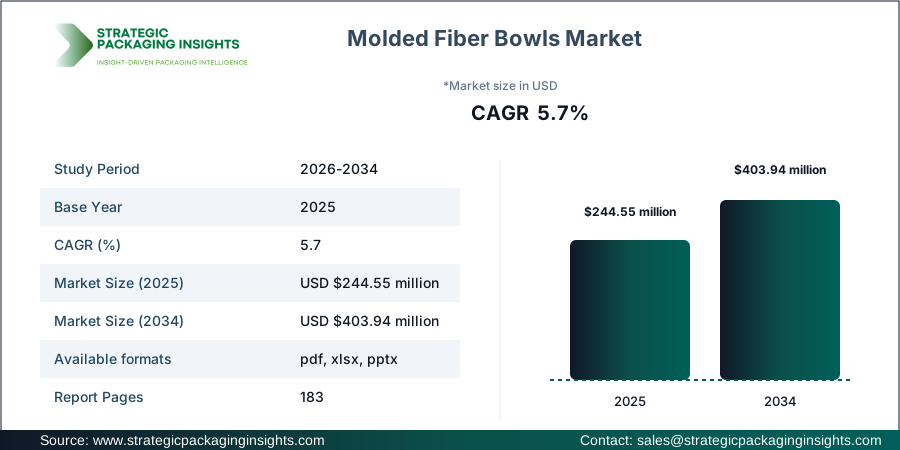
The Molded Fiber Bowls market was valued at $244.55 million in 2025 and is projected to reach $403.94 million by 2034, growing at a CAGR of 5.7% during the forecast period 2026-2034. This market is witnessing significant growth due to the increasing demand for sustainable and eco-friendly packaging solutions. Molded fiber bowls are gaining popularity as they are biodegradable and compostable, aligning with the global shift towards reducing plastic waste. The foodservice industry, in particular, is driving demand as it seeks to adopt more environmentally friendly practices. Additionally, the versatility of molded fiber bowls in terms of design and functionality makes them suitable for a wide range of applications, further boosting market growth.
Despite the promising growth prospects, the molded fiber bowls market faces certain challenges. The high cost of raw materials and production processes can be a barrier for manufacturers, potentially limiting market expansion. Moreover, stringent regulations regarding food safety and packaging standards can pose compliance challenges for companies operating in this space. However, advancements in manufacturing technologies and increasing investments in research and development are expected to mitigate these challenges, offering new growth opportunities. The market's potential is further enhanced by the rising consumer awareness and preference for sustainable products, which is likely to drive demand for molded fiber bowls in the coming years.
Report Scope
| Attributes | Details |
| Report Title | Molded Fiber Bowls Market Size, Future Growth and Forecast 2034 |
| By Product Type | Round Bowls, Compartment Bowls, Lidded Bowls |
| By Material Type | Bagasse, Recycled Fiber, Bamboo Fiber, Molded Pulp |
| By Application | Foodservice, Takeaway, Catering, Institutional Meals |
| By End Use | QSR, Restaurants, Retailers, Foodservice Operators |
| Region | Asia Pacific, North America, Latin America, Europe, Middle East & Africa |
| Base Year | 2025 |
| Historic Period | 2018-2024 |
| Forecast Period | 2026-2034 |
| Number of Pages | 183 |
| Customization Available | Yes* |
Opportunities & Threats
The molded fiber bowls market presents numerous opportunities, particularly in the realm of sustainability. As consumers become more environmentally conscious, there is a growing demand for eco-friendly packaging solutions. Molded fiber bowls, being biodegradable and compostable, are well-positioned to capitalize on this trend. The foodservice industry, in particular, is a significant driver of this demand, as businesses seek to reduce their environmental footprint. Additionally, the versatility of molded fiber bowls in terms of design and functionality makes them suitable for a wide range of applications, from foodservice to retail, further expanding their market potential.
Another opportunity lies in the increasing adoption of molded fiber bowls in emerging markets. As these regions experience economic growth and urbanization, there is a rising demand for convenient and sustainable packaging solutions. Molded fiber bowls offer a viable alternative to traditional plastic packaging, aligning with the global shift towards reducing plastic waste. Furthermore, advancements in manufacturing technologies are expected to enhance the production efficiency and cost-effectiveness of molded fiber bowls, making them more accessible to a broader range of consumers and businesses.
However, the market also faces certain threats. The high cost of raw materials and production processes can be a barrier for manufacturers, potentially limiting market expansion. Additionally, stringent regulations regarding food safety and packaging standards can pose compliance challenges for companies operating in this space. These factors may hinder the growth of the molded fiber bowls market, particularly for smaller players who may struggle to compete with larger, more established companies. Nonetheless, the market's potential is significant, and companies that can navigate these challenges are likely to reap substantial rewards.
Drivers & Challenges
The primary driver of the molded fiber bowls market is the increasing demand for sustainable and eco-friendly packaging solutions. As consumers become more environmentally conscious, there is a growing preference for products that minimize environmental impact. Molded fiber bowls, being biodegradable and compostable, align with this trend, making them an attractive option for both consumers and businesses. The foodservice industry, in particular, is a significant driver of this demand, as businesses seek to reduce their environmental footprint and meet consumer expectations for sustainable practices.
Another key driver is the versatility of molded fiber bowls in terms of design and functionality. These bowls can be customized to meet the specific needs of different applications, from foodservice to retail. This flexibility makes them suitable for a wide range of uses, further boosting their market potential. Additionally, advancements in manufacturing technologies are expected to enhance the production efficiency and cost-effectiveness of molded fiber bowls, making them more accessible to a broader range of consumers and businesses.
Despite these drivers, the molded fiber bowls market faces certain challenges. The high cost of raw materials and production processes can be a barrier for manufacturers, potentially limiting market expansion. Additionally, stringent regulations regarding food safety and packaging standards can pose compliance challenges for companies operating in this space. These factors may hinder the growth of the molded fiber bowls market, particularly for smaller players who may struggle to compete with larger, more established companies. Nonetheless, the market's potential is significant, and companies that can navigate these challenges are likely to reap substantial rewards.
Market Share Analysis
The competitive landscape of the molded fiber bowls market is characterized by the presence of several key players who are driving innovation and growth in the industry. Companies such as Huhtamaki, Pactiv Evergreen, Genpak, Sabert, Eco-Products, BioPak, Vegware, Footprint, World Centric, and Graphic Packaging International are leading the charge in developing sustainable packaging solutions. These companies are investing heavily in research and development to enhance the quality and functionality of their products, as well as to improve production efficiency and cost-effectiveness.
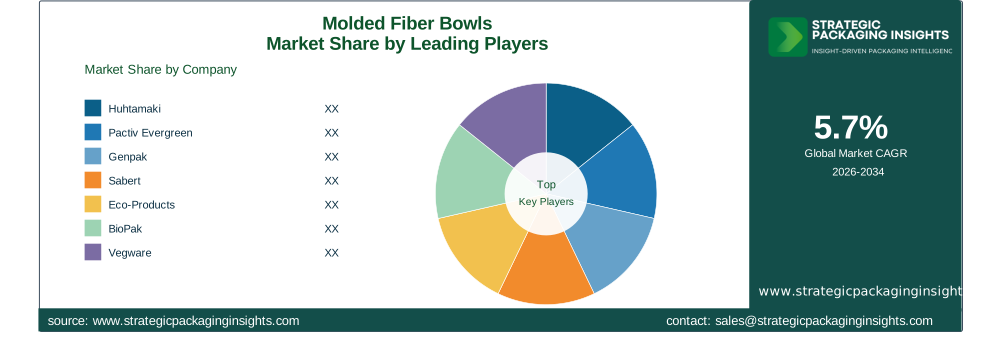
Huhtamaki is a major player in the molded fiber bowls market, known for its commitment to sustainability and innovation. The company offers a wide range of eco-friendly packaging solutions, including molded fiber bowls, which are designed to meet the needs of various industries. Pactiv Evergreen is another key player, with a strong focus on providing sustainable packaging solutions for the foodservice industry. The company's molded fiber bowls are designed to be both functional and environmentally friendly, making them a popular choice among consumers and businesses alike.
Genpak and Sabert are also significant players in the molded fiber bowls market, offering a range of products that cater to the needs of the foodservice industry. Both companies are committed to sustainability and are continuously working to improve the environmental performance of their products. Eco-Products and BioPak are known for their innovative approach to sustainable packaging, offering a range of molded fiber bowls that are both biodegradable and compostable. These companies are at the forefront of the industry's efforts to reduce plastic waste and promote environmentally friendly practices.
Vegware, Footprint, World Centric, and Graphic Packaging International are also key players in the molded fiber bowls market, each with a strong focus on sustainability and innovation. These companies are investing in research and development to enhance the quality and functionality of their products, as well as to improve production efficiency and cost-effectiveness. As the demand for sustainable packaging solutions continues to grow, these companies are well-positioned to capitalize on the market's potential and drive further growth in the industry.
Key Highlights
- The molded fiber bowls market is projected to grow at a CAGR of 5.7% from 2026 to 2034.
- Increasing demand for sustainable and eco-friendly packaging solutions is driving market growth.
- The foodservice industry is a significant driver of demand for molded fiber bowls.
- Advancements in manufacturing technologies are enhancing production efficiency and cost-effectiveness.
- Stringent regulations regarding food safety and packaging standards pose compliance challenges.
- Emerging markets present significant growth opportunities for molded fiber bowls.
- Key players in the market include Huhtamaki, Pactiv Evergreen, Genpak, Sabert, Eco-Products, BioPak, Vegware, Footprint, World Centric, and Graphic Packaging International.
- The versatility of molded fiber bowls in terms of design and functionality is expanding their market potential.
- High cost of raw materials and production processes can be a barrier for manufacturers.
- Consumer awareness and preference for sustainable products are driving demand for molded fiber bowls.
Top Countries Insights
In the United States, the molded fiber bowls market is experiencing robust growth, driven by the increasing demand for sustainable packaging solutions. The market size is currently valued at approximately $120 million, with a CAGR of 6%. The country's strong regulatory framework supporting eco-friendly practices and the growing consumer awareness about environmental issues are key growth drivers. However, challenges such as high production costs and stringent compliance requirements remain.
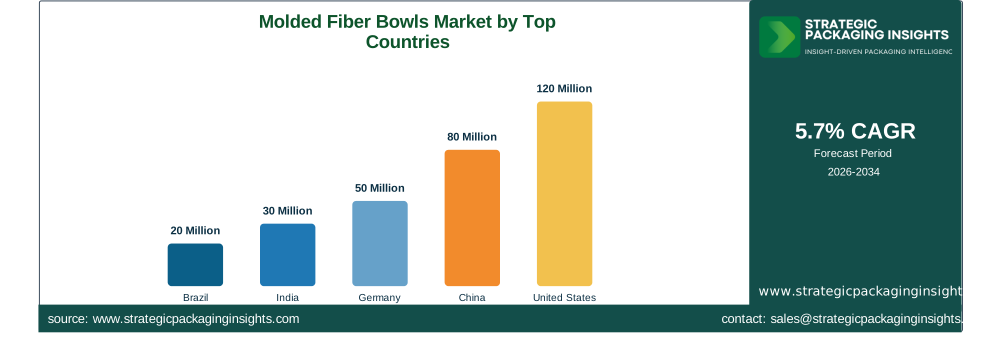
China is another significant market for molded fiber bowls, with a current market size of around $80 million and a CAGR of 7%. The country's rapid urbanization and increasing disposable income levels are driving demand for convenient and sustainable packaging solutions. Government initiatives promoting environmental sustainability further support market growth. However, the market faces challenges related to raw material availability and production efficiency.
In Germany, the molded fiber bowls market is valued at approximately $50 million, with a CAGR of 5%. The country's strong emphasis on sustainability and environmental protection is a major growth driver. The foodservice industry's shift towards eco-friendly packaging solutions is also contributing to market expansion. However, high production costs and stringent regulatory requirements pose challenges for manufacturers.
India's molded fiber bowls market is growing rapidly, with a current market size of around $30 million and a CAGR of 8%. The country's expanding middle class and increasing awareness about environmental issues are driving demand for sustainable packaging solutions. Government initiatives promoting eco-friendly practices further support market growth. However, challenges related to infrastructure and supply chain efficiency remain.
In Brazil, the molded fiber bowls market is valued at approximately $20 million, with a CAGR of 6%. The country's growing foodservice industry and increasing consumer awareness about sustainability are key growth drivers. However, challenges such as high production costs and limited availability of raw materials pose obstacles for market expansion.
Molded Fiber Bowls Market Segments Insights

Product Type Analysis
The molded fiber bowls market is segmented by product type into round bowls, compartment bowls, and lidded bowls. Round bowls are the most popular segment, driven by their versatility and wide range of applications in the foodservice industry. These bowls are ideal for serving a variety of dishes, from soups to salads, making them a staple in many foodservice establishments. Compartment bowls are also gaining traction, particularly in the takeaway and catering sectors, where they offer the convenience of serving multiple food items in a single container. Lidded bowls are becoming increasingly popular for their ability to provide secure and spill-proof packaging, making them ideal for takeaway and delivery services.
The demand for round bowls is expected to continue growing, driven by the increasing popularity of casual dining and takeaway services. Compartment bowls are also expected to see significant growth, as they offer a convenient and eco-friendly alternative to traditional plastic containers. Lidded bowls are likely to experience strong demand in the coming years, as more consumers opt for takeaway and delivery services. The versatility and functionality of these bowls make them an attractive option for both consumers and businesses, further boosting their market potential.
Material Type Analysis
The molded fiber bowls market is segmented by material type into bagasse, recycled fiber, bamboo fiber, and molded pulp. Bagasse is the most commonly used material, due to its abundance and cost-effectiveness. It is derived from sugarcane waste, making it a sustainable and eco-friendly option for packaging. Recycled fiber is also gaining popularity, as it offers a sustainable alternative to virgin materials and helps reduce waste. Bamboo fiber is another emerging material, known for its strength and durability, making it ideal for packaging applications.
The demand for bagasse-based molded fiber bowls is expected to continue growing, driven by the increasing focus on sustainability and environmental protection. Recycled fiber is also likely to see significant growth, as more companies seek to reduce their environmental impact and promote circular economy practices. Bamboo fiber is expected to gain traction in the coming years, as consumers become more aware of its benefits and seek out sustainable packaging options. The versatility and eco-friendliness of these materials make them an attractive option for both consumers and businesses, further boosting their market potential.
Application Analysis
The molded fiber bowls market is segmented by application into foodservice, takeaway, catering, and institutional meals. The foodservice segment is the largest, driven by the increasing demand for sustainable and eco-friendly packaging solutions. Molded fiber bowls are widely used in restaurants, cafes, and other foodservice establishments, where they offer a convenient and environmentally friendly alternative to traditional plastic containers. The takeaway segment is also experiencing strong growth, as more consumers opt for convenient and sustainable packaging options for their meals.
The catering segment is expected to see significant growth in the coming years, as more businesses seek to reduce their environmental impact and promote sustainable practices. Institutional meals, such as those served in schools and hospitals, are also likely to drive demand for molded fiber bowls, as these institutions seek to adopt more eco-friendly practices. The versatility and functionality of molded fiber bowls make them an attractive option for a wide range of applications, further boosting their market potential.
End Use Analysis
The molded fiber bowls market is segmented by end use into QSR (Quick Service Restaurants), restaurants, retailers, and foodservice operators. QSRs are the largest segment, driven by the increasing demand for convenient and sustainable packaging solutions. Molded fiber bowls are widely used in QSRs, where they offer a convenient and environmentally friendly alternative to traditional plastic containers. Restaurants are also a significant segment, as more establishments seek to reduce their environmental impact and promote sustainable practices.
Retailers are expected to see significant growth in the coming years, as more consumers seek out sustainable packaging options for their purchases. Foodservice operators, such as catering companies and institutional meal providers, are also likely to drive demand for molded fiber bowls, as these businesses seek to adopt more eco-friendly practices. The versatility and functionality of molded fiber bowls make them an attractive option for a wide range of end uses, further boosting their market potential.
Molded Fiber Bowls Market Segments
The Molded Fiber Bowls market has been segmented on the basis ofBy Product Type
- Round Bowls
- Compartment Bowls
- Lidded Bowls
By Material Type
- Bagasse
- Recycled Fiber
- Bamboo Fiber
- Molded Pulp
By Application
- Foodservice
- Takeaway
- Catering
- Institutional Meals
By End Use
- QSR
- Restaurants
- Retailers
- Foodservice Operators
Region
- Asia Pacific
- North America
- Latin America
- Europe
- Middle East & Africa